Hypervoid X - Large Scale Generative Art Prints
generative-systems 08/2019- Year
- 2019
- Location
- Berlin, Germany
- Scale
- Large-scale C-print series
- Technology
- Custom generative software in Processing (V0ID code base)
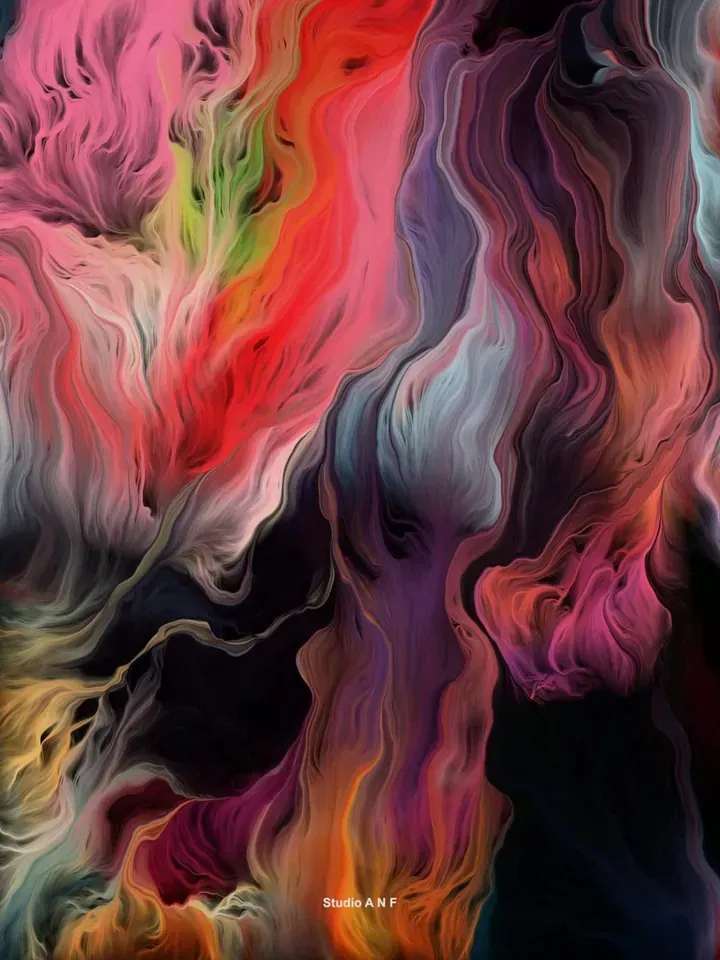
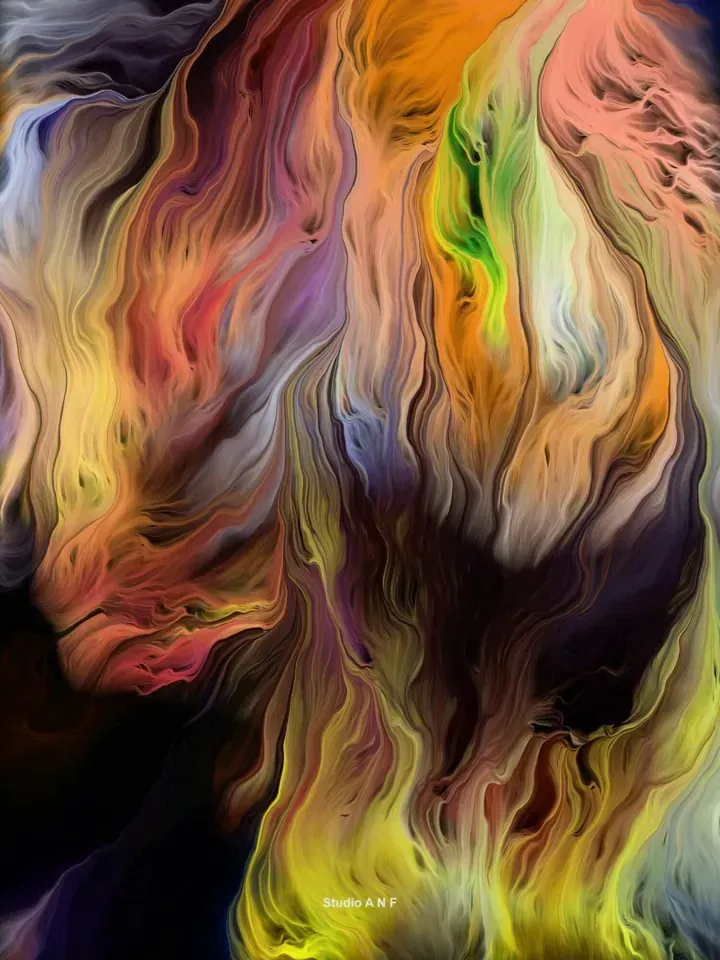
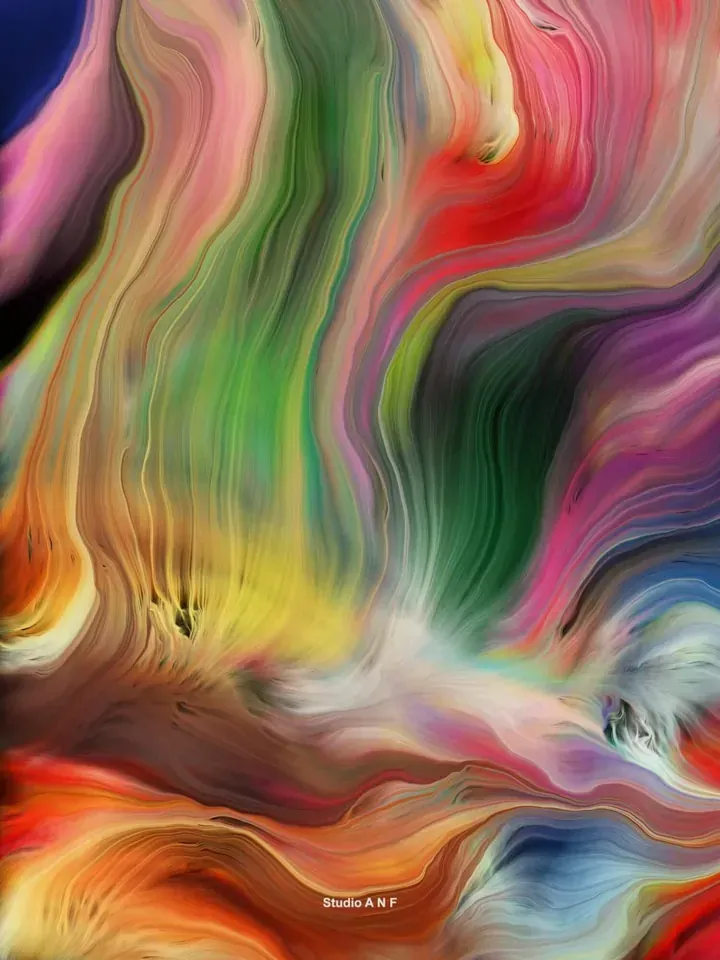
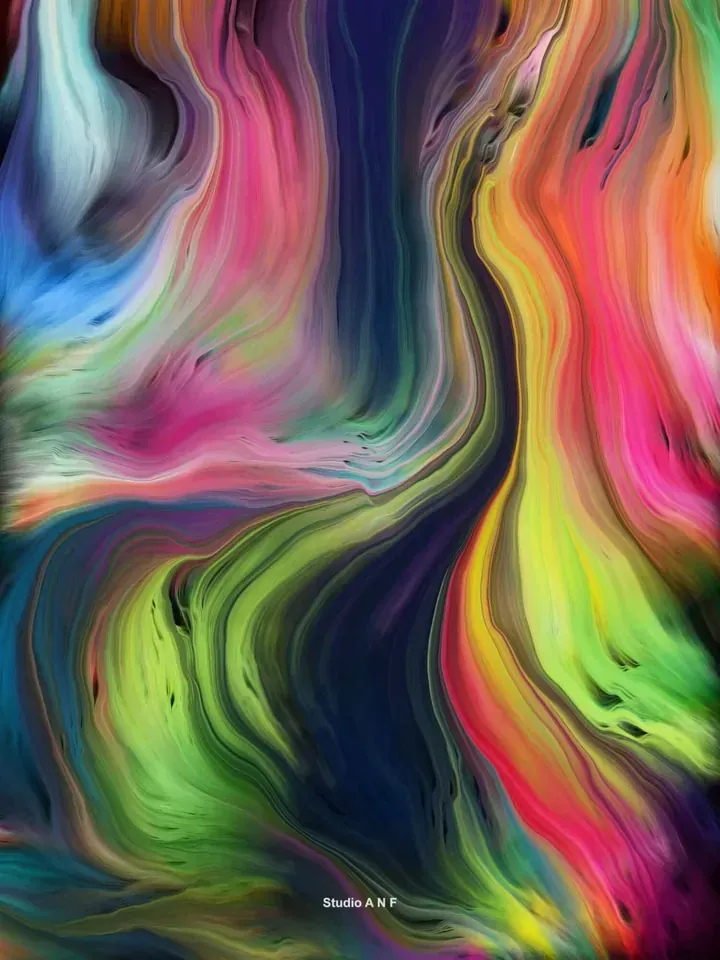
Hypervoid X is a large-scale generative print series by Studio A N F, delivered in 2019 from the studio in Berlin. The series is a high-density procedural pop-art C-print set generated over days with the studio's custom Processing software, in a palette that references consumer products, neon lighting, and package design of the 1970s and 1980s. Hypervoid X extends the V0ID series that began in 2015.
Hypervoid X is new high-density procedural pop art c-prints based on the void series, which were generated over a period of days with our custom procedural software written in Processing. The colors are chosen to evoke associations to consumer products, neon lighting, and package design, similar to the artists of the 70s and 80s.
Pop art is a development that risen in the United Kingdom and the United States during the mid-to-late-1950s. The development displayed a test to customs of compelling artwork by including symbolism from well known and mass culture, for example, promoting, comic books and everyday social items. One of its points is to utilize pictures of well known (rather than elitist) culture in craftsmanship, accentuating the worn-out or kitschy components of any culture, frequently using irony. It is likewise connected with the specialists' utilization of mechanical methods for multiplication or rendering systems. In pop craftsmanship, the material is now and again outwardly expelled from its known setting, confined, or joined with inconsequential material.
Among the early specialists that formed the pop craftsmanship development were Eduardo Paolozzi and Richard Hamilton in Britain, and Larry Rivers, Robert Rauschenberg and Jasper Johns among others in the United States. Pop art is broadly translated as a response to the then-predominant thoughts of dynamic expressionism, just as a development of those ideas.[4] Due to its use of discovered items and pictures, it is like Dada. Pop art and moderation are viewed as art developments that go before postmodern craftsmanship or are the absolute most punctual instances of postmodern art themselves.